Searching for halal food in Metro Detroit? You might see the term “halal” used at any restaurant. But what exactly does this mean? Just because a restaurant uses halal food doesn’t necessarily mean they’re fully invested in the ethics, hygiene, and quality that it represents.
Serving halal food is a commitment to a higher standard of excellence for every customer. It represents ethical sourcing, purity, and quality.
At La Marsa, our Mediterranean restaurant serves halal-certified proteins in all of our dishes. Contact us today to learn more, or find a location near you to place an online order.
What Does Halal Mean?
Halal isn’t just a dietary requirement. Instead, it’s a commitment to a certain level of quality. The word “halal” is Arabic for “permissible”, or “lawful.” In the context of halal food, it refers to dietary guidelines that prioritize purity and wholesomeness.
For example, halal standards prohibit the consumption of pork, alcohol, and any related by-products derived from them. They also exclude certain additives, preservatives, and fillers.
Halal standards also require that all ingredients be traceable, clean, and sourced with integrity. Rigorous ingredient verification is used to make sure ingredients fit these criteria.
While halal food has a religious basis, its emphasis on clean and healthy ingredients can make it a great choice for all diners. In fact, many non-Muslins choose halal-certified restaurants because they see halal as a sign of quality, the same way that an organic or non-GMO label is.
Understanding the Standards of Excellence Behind Halal Food
There are three key standards behind halal food’s reputation for quality and health:
1. Ethical Sourcing
A cornerstone of halal standards is how animals are treated during their lives. Under these standards, animals must be raised on healthy, natural diets. They can’t be given any hormones or animal by-products, as this would taint the meat.
In addition, they must be treated with respect and have stress-free lives. Not only is this better for the animal, but science also shows that animals without stress produce meat that has lower cortisol levels and a better pH balance. On the plate, this translates to tender, flavorful meat.
2. Professional Certification
Ingredients must pass professional certification in order to receive a halal label. Halal-certified suppliers undergo regular site audits and are evaluated by recognized halal-certification bodies.
These auditors inspect everything from how animals are raised to the slaughtering process, meat storage, and meat transportation. This ensures that every step of the supply chain meets halal standards.
At La Marsa, we proudly display halal certifications in our restaurants. You can be confident that all our food meets quality standards, from the farm to our kitchen.
3. Proper Preparation
Halal standards continue once the food is in a restaurant’s kitchen. A true halal kitchen ensures that the halal ingredients don’t come into contact with any forbidden substances. This means that there should be:
- Dedicated halal equipment
- Separate preparation areas
- Specific cleaning protocols
These strict separation rules mean that halal kitchens often have better levels of sanitation and hygiene.
Discover Delicious, Halal-Friendly Food at La Marsa
If you’re looking for halal-friendly Mediterranean food in Metro Detroit, visit La Marsa. With multiple locations across the community, we’re often ranked as the best Mediterranean restaurant.
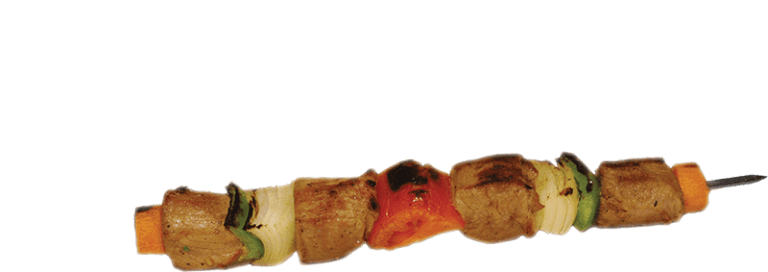
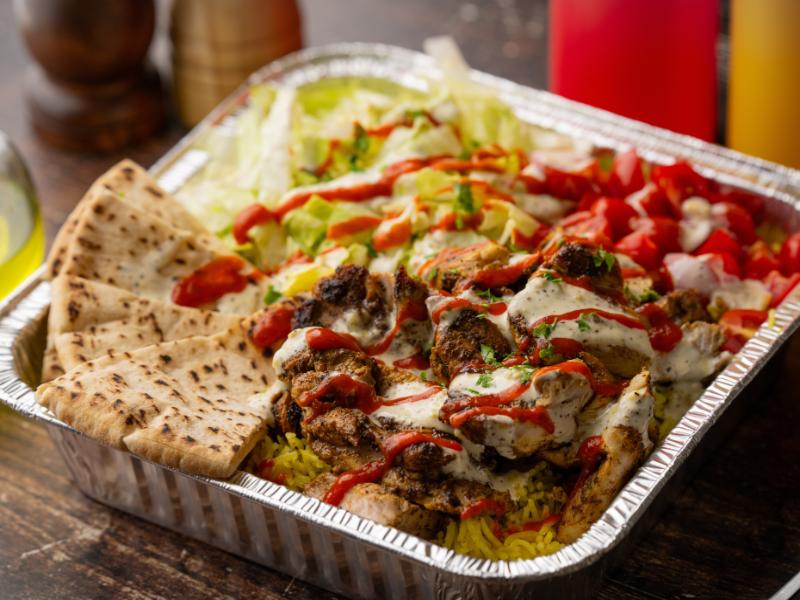
We pride ourselves on our authenticity and Mediterranean hospitality, halal-friendly food, commitment to quality, and bold flavors. From our falafel, hommous, and baba ghannooj to our kafta, kabobs, and shawarma, you’re sure to enjoy our delicious food.
Ready to taste for yourself? Visit La Marsa today. Contact us online, or find a nearby location to place an online order.